
45L Tax Credits and ENERGY STAR® v3.2: What Building Professionals Need to Know
Homes seeking to qualify for the 45L Energy Efficient Home Credit must meet the applicable ENERGY STAR® v3.2 requirements where they apply. Because v3.2 generally requires lower HERS® Score targets than v3.1, properly modeled, energy-efficient ventilation strategies can help building professionals pursue both performance goals and available tax incentives.
Whether you’re a single-family home builder or contractor, building to the applicable ENERGY STAR® v3.2 requirements is an important consideration for projects seeking to qualify for the 45L Energy Efficient Home Credit.
The Inflation Reduction Act revised and extended the 45L Energy Efficient Home Credit with the intent to reward builders striving to deliver more energy-efficient homes. The tax credit is now specifically tied to certification to an eligible version of the relevant ENERGY STAR program or Zero Energy Ready requirements. The updated requirements continue to provide builders with an opportunity to improve energy performance while pursuing valuable tax incentives.
Understanding ENERGY STAR v3.2 and the 45L Tax Credit
Here’s what you need to know about the current requirements and how Broan-NuTone can help you navigate them effectively. The 45L Tax Credit has been a valuable incentive for constructing energy-efficient single-family and multifamily homes. Getting ahead and planning for this program update now helps ensure that you can qualify for the tax credit for years to come.
Here’s what makes ENERGY STAR v3.2 different:
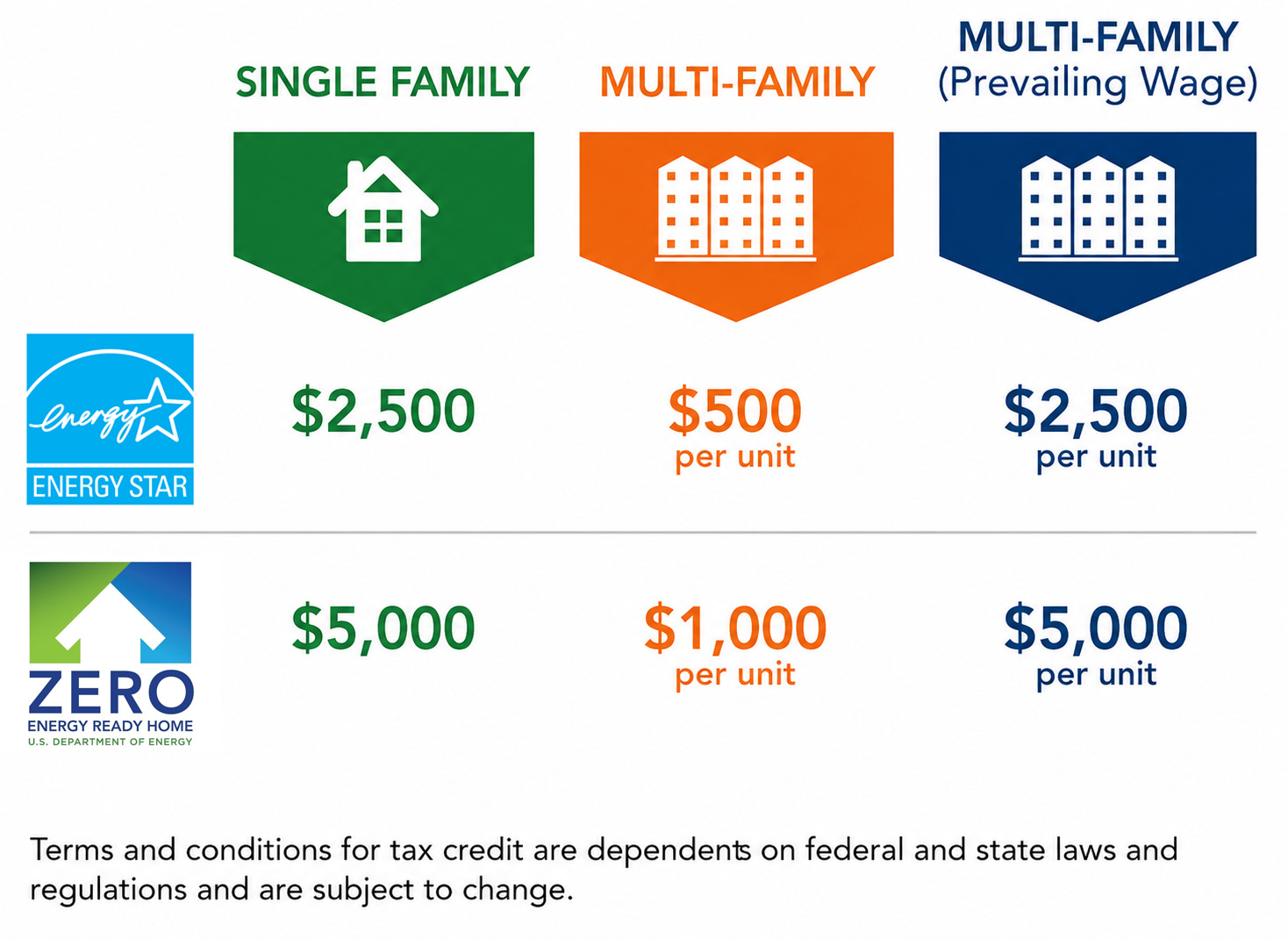
- Transition date: Most states have transitioned from ENERGY STAR® v3.1 to v3.2 requirements for homes seeking eligibility for the 45L Tax Credit. Always verify the applicable program requirements for your state.
- Lowering HERS® Score target: On average, the target HERS Score is approximately 10 points lower under v3.2 than under v3.1.
- ENERGY STAR v3.1 had a typical score range of 65–55; v3.2 falls within the range of 55–45 points.
- Tax credit based on acquisition date: Eligibility for the 45L Tax Credit is based on the home’s acquisition date. Builders should verify that the applicable ENERGY STAR program requirements are met for the tax year in which the home is acquired.
| Requirement | What Building Professionals Need to Know |
|---|---|
| Program version | Most states now require ENERGY STAR® v3.2 for eligible 45L projects. |
| HERS® Score target | Projects may need a lower target HERS Score, typically around 10 points lower on average than v3.1. |
| Credit timing | Eligibility is tied to the home’s acquisition date, not only the date construction was completed. |
| Planning need | Ventilation products and strategies should be modeled properly to confirm their impact on energy performance. |
ENERGY STAR v3.2 requirements vary by state and can be confirmed here.
Why Proper Modeling Matters for ENERGY STAR v3.2
Since every plan is unique, it is important to ensure your products are modeled properly to receive the maximum tax credit. We work with reputable energy modeling and rating firms across North America to evaluate the benefits of ventilation strategies to meet your application needs and achieve the HERS Score target.
For builders working across multiple states or climate zones, planning ahead is especially important. ENERGY STAR v3.2 requirements vary by state, and the path to meeting the updated HERS Score target can change based on home design, mechanical systems, envelope performance, climate zone and ventilation strategy.
Earn Tax Incentives with Ventilation Solutions That Meet ENERGY STAR® Requirements
As the industry leader in indoor air quality, Broan-NuTone offers energy-efficient and innovative premium ventilation solutions for the home that bring new meaning to indoor air quality.

Choosing Broan® ERVs and EVOLVE exhaust fans can make a significant difference in meeting the new HERS targets, ensuring your projects are both energy-efficient and eligible for valuable tax credits. These products are designed to help you lower your HERS® Score from 2–6 points*.
*Based on energy modeling and analysis conducted by Broan with climate zones 2A and 6A.
Next Steps for Builders and Contractors
For more information on how Broan-NuTone® can help you achieve these goals, visit our ENERGY STAR v3.2 information page.
The 45L energy efficiency tax credit is governed by an Internal Revenue Service tax code. You can learn more here. Check with your tax consultant for tax advice and to fully ensure you are meeting the requirements of this tax code.
Frequently Asked Questions
What is the 45L Tax Credit?
The 45L Energy Efficient Home Credit is a federal tax credit for eligible builders of energy-efficient homes. Eligibility is tied to meeting specific certification requirements, including eligible ENERGY STAR or Zero Energy Ready Home requirements.
What changes with ENERGY STAR v3.2?
ENERGY STAR v3.2 generally raises the performance bar for new homes. For many projects, this means achieving a lower HERS® Score target than under ENERGY STAR v3.1.
Does ENERGY STAR® v3.2 apply today for 45L projects?
In most states, ENERGY STAR® v3.2 is the applicable program version for homes seeking eligibility for the 45L Energy Efficient Home Credit. Builders should always verify current state-specific program requirements.
Does the acquisition date matter for the 45L Tax Credit?
Yes. Eligibility for the 45L Tax Credit is based on the home’s acquisition date. Builders should verify that the applicable ENERGY STAR program requirements are met for the tax year in which the home is acquired.
Can ventilation products help lower a HERS® Score?
Yes. Properly modeled energy-efficient ventilation strategies can help lower a home’s HERS Score. Broan® ERVs and EVOLVE exhaust fans are designed to help lower HERS Score results by 2–6 points based on Broan modeling in climate zones 2A and 6A.
Where can builders verify current ENERGY STAR® requirements?
ENERGY STAR® program requirements vary by state. Builders should verify the current requirements through the official ENERGY STAR Residential New Construction program and consult their HERS rater or energy modeling partner before finalizing project specifications.